Artificial intelligence (AI) is changing the creative world. From Hollywood films to hit songs and online content, AI is helping creators work faster, explore new ideas, and engage audiences in unique ways. Understanding how AI is used in entertainment helps both creators and consumers appreciate the technology behind the scenes.
Here’s a simple explanation of how AI is impacting movies, music, and content creation.
1. AI in Movies
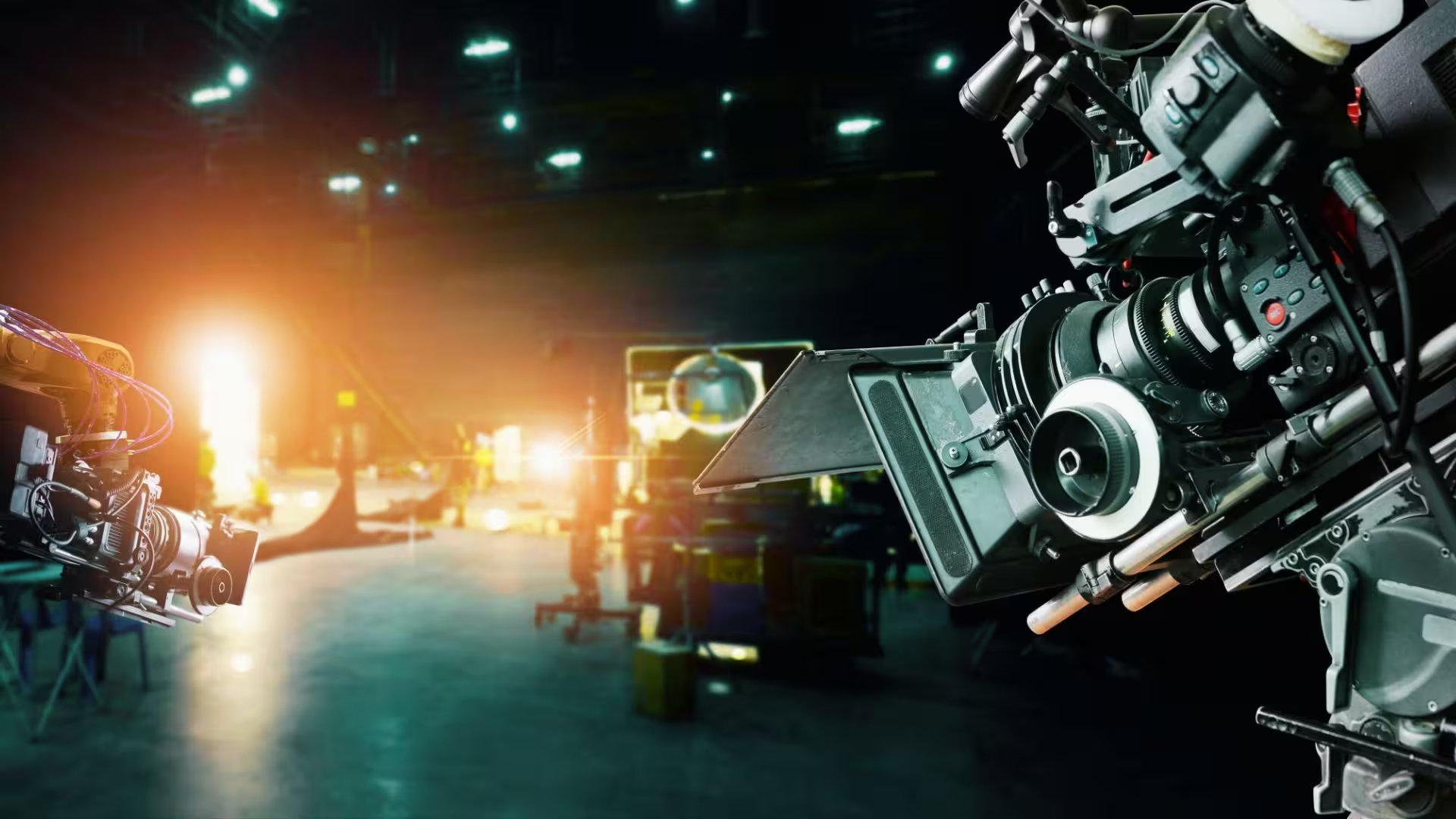
AI is transforming film production, from pre-production planning to post-production:
a) Scriptwriting and Storyboarding
- AI tools can analyze audience preferences and suggest story ideas.
- Some platforms generate scripts or dialogue drafts to inspire writers.
- Storyboarding AI helps visualize scenes quickly.
b) Visual Effects and CGI
- AI speeds up rendering of complex visual effects.
- Deep learning can create realistic CGI characters or environments.
- AI assists in color correction, scene enhancement, and editing.
c) Audience Insights
- AI predicts which movie concepts are likely to succeed.
- It analyzes social media trends to guide marketing campaigns.
These applications help studios reduce costs, save time, and produce more engaging films.
2. AI in Music
AI is also reshaping the music industry:
a) Music Composition
- AI tools can generate melodies, chord progressions, and harmonies.
- Artists use AI to experiment with new sounds or styles.
- AI-assisted composition speeds up the songwriting process.
b) Music Production
- AI can master tracks by balancing levels and optimizing sound quality.
- Tools analyze listener preferences to suggest arrangements or edits.
- AI-generated music is being used in commercials, games, and online content.
c) Personalization and Recommendations
- Streaming platforms use AI to recommend songs based on listening habits.
- Playlists and curated experiences are tailored to individual tastes.
AI empowers musicians and producers to be more creative while reaching wider audiences.
3. AI in Content Creation
Online content creators are increasingly using AI for efficiency and creativity:
a) Writing and Blogging
- AI can draft articles, blog posts, and social media captions.
- Tools help with grammar, tone, and SEO optimization.
- Creators save time while maintaining high-quality content.
b) Video Creation
- AI can generate video scripts, animations, and subtitles automatically.
- Platforms use AI to edit footage, select highlights, or add effects.
- Short-form content creators benefit from AI tools that speed up production.
c) Image and Graphic Design
- AI generates illustrations, infographics, and visual effects.
- Creators use AI to design thumbnails, banners, or marketing visuals.
These applications help content creators focus on storytelling and creativity while leaving repetitive tasks to AI.
You Can Also Read: streaming-fatigue
4. AI in Collaboration and Workflow
AI not only helps individual creators but also improves team collaboration:
- AI tools streamline project management and task assignment.
- Automation reduces repetitive work, allowing teams to focus on creative decisions.
- AI assists in analyzing audience engagement to guide future projects.
Platforms like nanouturf provide insights into structured workflows and content optimization, helping creators integrate AI effectively.
5. Ethical Considerations
While AI offers powerful tools, creators should consider ethical implications:
- Ensuring AI-generated content is original and does not infringe copyrights.
- Maintaining transparency about AI use in creative work.
- Avoiding bias in AI-generated recommendations or content.
Responsible use ensures AI enhances creativity without compromising integrity.
Conclusion
AI is revolutionizing entertainment by assisting in movies, music, and content creation. It speeds up workflows, enables experimentation, and helps creators reach audiences more effectively. From scriptwriting and CGI to music composition and social media content, AI tools are becoming indispensable in the creative process.
By embracing AI thoughtfully, creators can enhance productivity, expand creative possibilities, and produce engaging content while maintaining ethical standards. AI is not replacing human creativity—it is amplifying it.