An emergency fund is a financial safety net that protects you from unexpected expenses. Whether it’s a medical bill, car repair, or sudden job loss, having cash set aside ensures you can handle emergencies without going into debt. But how much money should you actually save? Understanding the right amount helps you plan effectively and feel secure.
Here’s a simple guide to emergency funds, how much you need, and tips to build one.
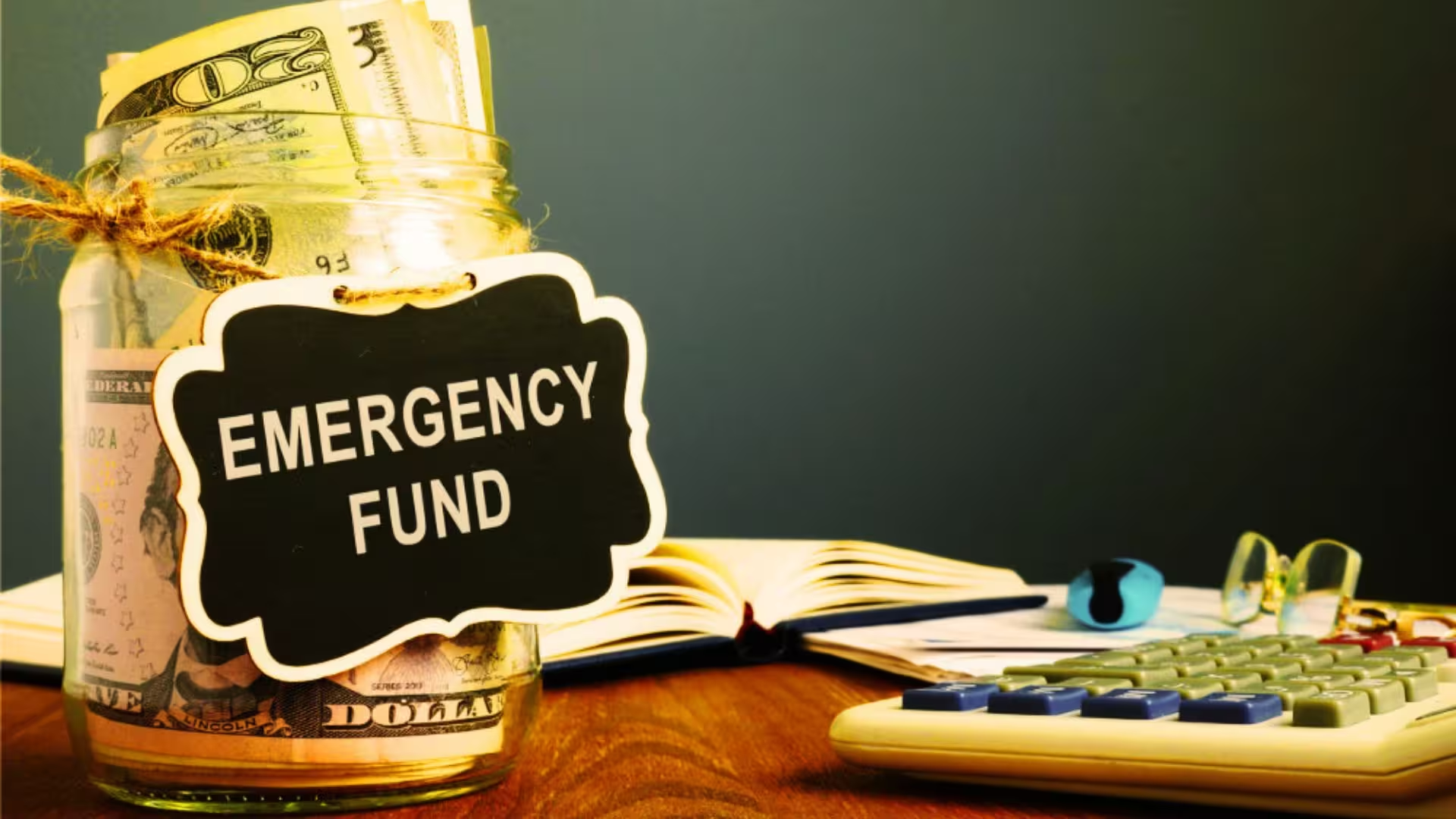
1. What Is an Emergency Fund?
An emergency fund is money saved specifically for unexpected events. It is not meant for daily expenses, vacations, or luxury purchases. The goal is to provide financial stability during unforeseen situations, reducing stress and preventing debt accumulation.
Key benefits include:
- Covering unexpected bills or repairs.
- Protecting against job loss or income interruptions.
- Reducing reliance on credit cards or loans.
- Providing peace of mind and financial security.
2. How Much Should You Save?
The amount needed depends on your personal situation:
- Basic Rule: Most experts recommend saving 3–6 months’ worth of living expenses.
- Low-Risk Jobs: If you have a stable job, 3 months may be sufficient.
- High-Risk Jobs or Variable Income: Save 6–12 months to cover potential income gaps.
To calculate:
- Add up all essential monthly expenses: rent/mortgage, utilities, groceries, transportation, insurance, and debt payments.
- Multiply this number by the number of months you want to cover.
For example, if your essential expenses are $2,000 per month and you want a 6-month buffer, your emergency fund should be $12,000.
3. Types of Expenses to Include
When calculating your emergency fund, include only essential expenses:
- Rent or mortgage payments
- Utilities and bills
- Groceries and basic supplies
- Transportation or fuel costs
- Health insurance or medical expenses
- Minimum debt payments
Avoid including discretionary spending like eating out, vacations, or luxury shopping in your emergency fund calculation.
4. Where to Keep Your Emergency Fund
Accessibility is key—your emergency fund should be easy to access, but also safe from market risks:
- High-Yield Savings Accounts: Offers liquidity with small interest growth.
- Money Market Accounts: Provides slightly higher interest rates and easy access.
- Avoid Stocks or Long-Term Investments: While they can earn more, market fluctuations can make funds inaccessible when needed.
The goal is safety and liquidity, not maximum returns.
5. How to Build Your Emergency Fund
Building an emergency fund doesn’t have to be overwhelming:
- Start Small: Even saving $50–$100 per month adds up over time.
- Automate Savings: Set up automatic transfers to your emergency fund account.
- Cut Non-Essential Expenses: Redirect money from entertainment or luxury spending to savings.
- Use Bonuses or Windfalls: Extra income like tax refunds or bonuses can accelerate growth.
Consistency is more important than speed. Over time, your emergency fund will reach a secure level without stressing your finances.
6. When to Use Your Emergency Fund
Only use this fund for true emergencies:
- Unexpected medical bills or urgent care
- Job loss or temporary income gaps
- Major car or home repairs
- Natural disasters or urgent relocation needs
Avoid using the fund for non-emergencies like vacations, gadgets, or everyday wants.
7. Replenish After Use
If you need to tap into your emergency fund, make replenishing it a priority:
- Resume consistent savings as soon as possible.
- Adjust your budget to allocate extra money toward rebuilding.
- Treat it as a top financial priority to maintain security.
Platforms like nanouturf can help structure savings routines, track progress, and create a plan for consistent financial growth.
Conclusion
An emergency fund is essential for financial stability. How much you need depends on your monthly expenses, job security, and personal circumstances, but a common guideline is 3–6 months of essential expenses.
By calculating your needs, keeping funds accessible, saving consistently, and using the money only for true emergencies, you can protect yourself from financial setbacks and stress. Building an emergency fund is a simple yet powerful step toward long-term financial security.