Professional athletes follow strict routines, disciplined habits, and smart strategies to achieve peak performance. While most of us aren’t competing at the top level, there’s a lot we can learn from their approach to fitness. Adopting some of these lessons can improve strength, endurance, and overall health in everyday life.
Here’s a simple guide to fitness lessons non-athletes can learn from professional sports.
1. Consistency Over Intensity
One of the biggest lessons is that consistent effort beats occasional intensity:
- Regular Workouts: Athletes train daily, often focusing on sustainable routines rather than extreme sessions.
- Progressive Growth: Small, consistent improvements build long-term strength and endurance.
- Avoiding Burnout: Gradually increasing intensity prevents injuries and keeps motivation high.
Non-athletes can benefit by sticking to manageable routines instead of overdoing workouts occasionally.
2. Importance of Recovery
Athletes know recovery is as important as training:
- Sleep: Proper sleep helps muscles repair and improves energy levels.
- Active Recovery: Light exercises like stretching, yoga, or walking reduce fatigue.
- Injury Prevention: Scheduled rest days prevent overuse injuries.
Non-athletes can boost performance and reduce fatigue by prioritizing recovery.
3. Balanced Nutrition
Fitness is not just about exercise; nutrition plays a critical role:
- Fueling the Body: Athletes focus on protein, healthy fats, and complex carbs for energy.
- Hydration: Staying hydrated improves endurance and concentration.
- Avoiding Empty Calories: Limiting processed foods and sugar supports consistent performance.
Applying basic nutrition principles can improve energy and overall health for everyone.
4. Goal Setting and Tracking
Professional athletes set clear goals and track progress:
- Short-Term Goals: Daily or weekly targets keep motivation high.
- Long-Term Goals: Larger objectives guide training plans and routines.
- Progress Tracking: Monitoring improvements helps adjust training efficiently.
Non-athletes can set realistic fitness goals and track progress to stay committed and motivated.
5. Mental Preparation
Mental strength is crucial in professional sports and fitness:
- Focus: Athletes use concentration techniques to improve performance.
- Visualization: Imagining success enhances motivation and execution.
- Resilience: Overcoming setbacks and staying disciplined is key to long-term results.
Even non-athletes can benefit from mindfulness, visualization, and mental focus during workouts.
6. Functional and Sport-Specific Training
Athletes train for performance in specific movements or sports:
- Functional Exercises: Movements that mimic daily activities improve strength and mobility.
- Variety: Mixing cardio, strength, and flexibility exercises prevents plateaus.
- Adaptation: Adjust exercises to individual needs for maximum benefit.
Non-athletes can incorporate functional exercises to improve overall fitness and prevent injuries.
You Can Also Read: mental-toughness-athletes
7. Importance of Environment and Tools
Professional athletes optimize their training environment:
- Equipment Use: Using the right tools improves efficiency and reduces injury risk.
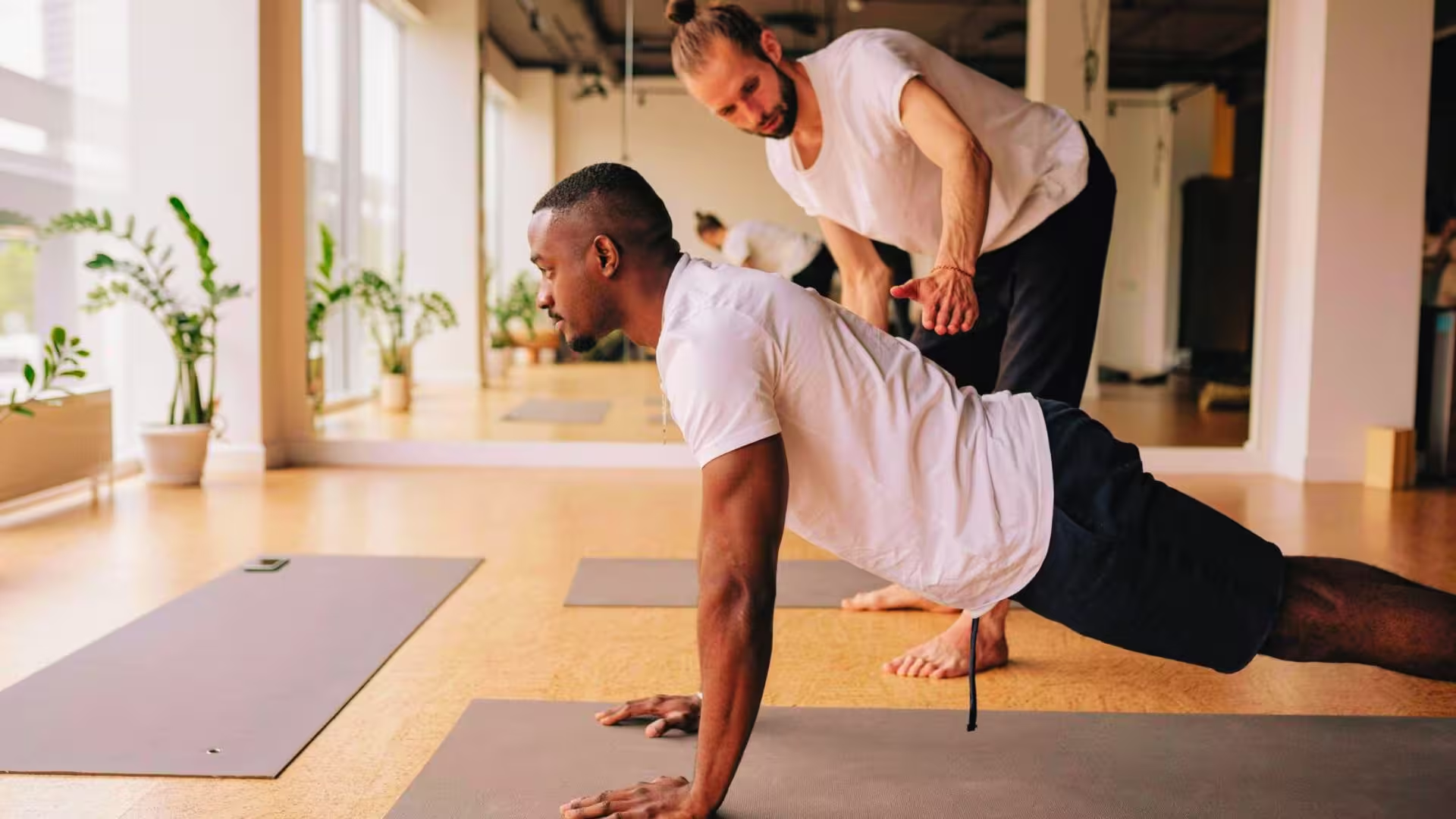
- Support System: Coaches, trainers, and peers keep athletes accountable.
- Structured Environment: Consistent training spaces promote focus and routine.
Non-athletes can benefit by creating a dedicated workout space, using proper equipment, and seeking support for motivation.
8. Learning From Experts
Understanding the principles behind professional fitness routines helps non-athletes apply them effectively. Platforms like nanouturf provide structured routines, habit-building systems, and fitness tips that anyone can follow.
Conclusion
Fitness lessons from professional sports aren’t limited to elite athletes. Non-athletes can adopt strategies like consistent training, proper recovery, balanced nutrition, goal-setting, mental preparation, functional exercises, and optimized environments to improve health and performance.
By learning from the discipline and habits of professional athletes, anyone can build stronger, healthier, and more sustainable fitness routines. The key is to take the principles that work for the pros and adapt them to everyday life.