A cluttered home can lead to a cluttered mind. Minimalist home organization systems not only make your living space look cleaner but also reduce stress, save time, and improve productivity. By focusing on simplicity and efficiency, you can create a home that feels calm, functional, and inviting.
Here’s a simple guide to minimalist organization systems that actually work.
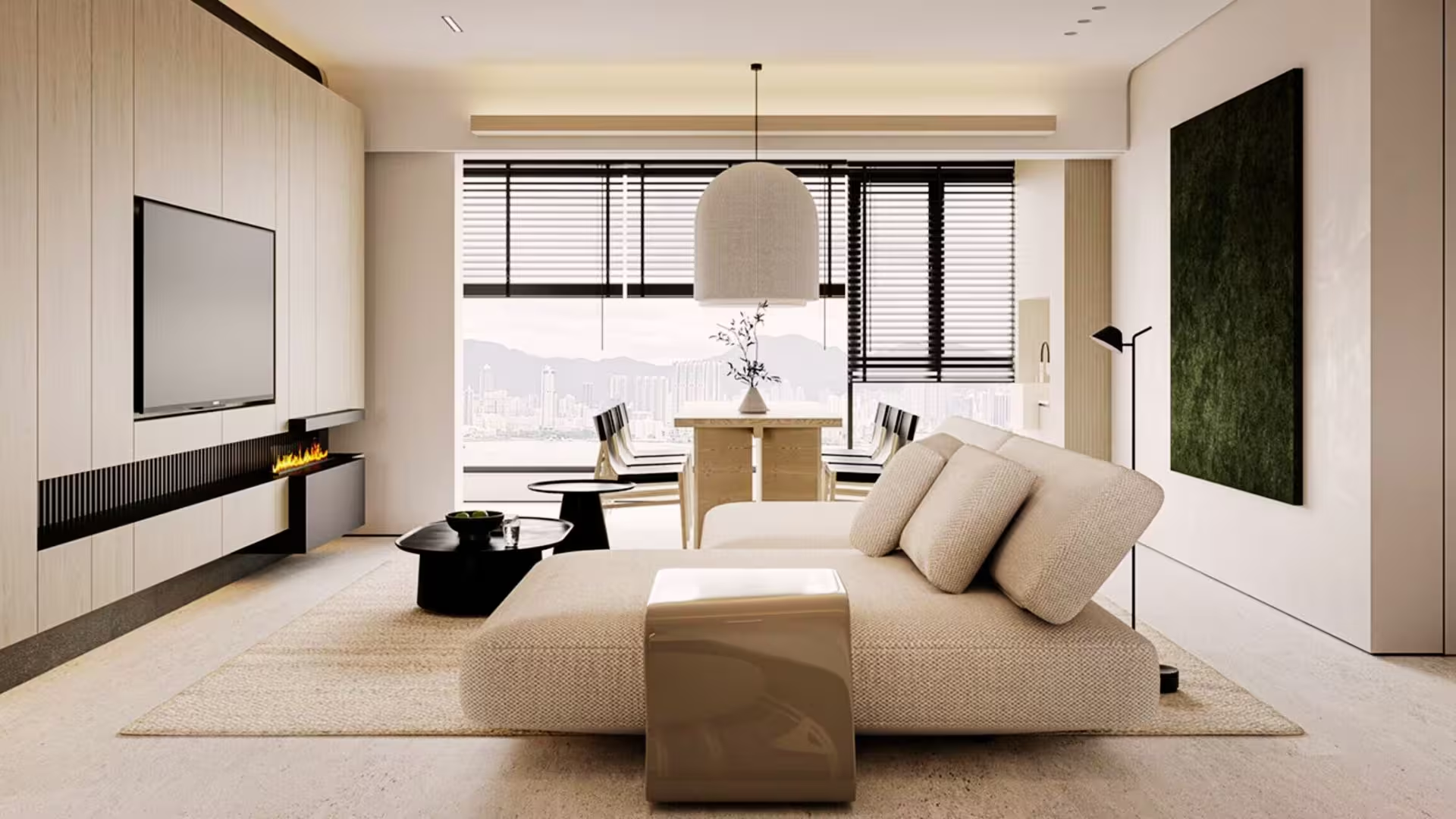
1. Declutter Before Organizing
The first step in any minimalist system is decluttering:
- Evaluate Items: Keep only things you use or truly value.
- Sort: Separate items into categories: keep, donate, or discard.
- Prevent Accumulation: Avoid buying unnecessary items to maintain a clutter-free space.
Decluttering creates the foundation for effective organization and a more peaceful home.
2. Use Multi-Functional Furniture
Minimalist spaces benefit from furniture that serves more than one purpose:
- Storage Beds: Beds with drawers underneath save space and reduce visible clutter.
- Ottomans with Storage: Store blankets, toys, or magazines inside.
- Foldable or Extendable Tables: Save space when not in use.
Multi-functional furniture reduces clutter while keeping your home stylish and practical.
3. Adopt Open and Clear Surfaces
A minimalist home emphasizes clean, open surfaces:
- Countertops and Tables: Keep them free from unnecessary items.
- Shelves: Display only essential or decorative items.
- Storage Solutions: Use drawers, baskets, or bins to hide miscellaneous items.
Clear surfaces promote calmness and reduce visual stress, making your space feel larger and more organized.
4. Use Vertical Storage Solutions
Maximize space without overcrowding:
- Wall-Mounted Shelves: Store books, decor, or kitchen items vertically.
- Hooks and Pegboards: Hang tools, bags, or accessories for easy access.
- Tall Cabinets: Utilize height in closets or kitchens to store seasonal items.
Vertical storage helps keep floors and countertops clear, contributing to a minimalist feel.
5. Implement a “One In, One Out” Rule
Minimalism isn’t just about tidying—it’s about maintaining balance:
- New Item Rule: For every new item brought into the home, remove one old item.
- Prevent Overcrowding: Keeps your home from becoming cluttered over time.
- Encourage Thoughtful Purchases: Focus on essential and valuable items.
This simple habit maintains organization and reduces the stress of constant clutter management.
You Can Also Read: smart-home-upgrades
6. Organize by Zones
Divide your home into functional zones to simplify daily routines:
- Kitchen: Group cooking utensils, dishes, and pantry items by use.
- Closet: Organize clothes by type and season.
- Work Area: Keep office supplies and documents in dedicated spaces.
Organizing by zones makes it easier to find items quickly, reducing frustration and stress.
7. Label and Contain
Using containers and labels helps maintain order:
- Bins and Baskets: Store items neatly and prevent scattered clutter.
- Clear Labels: Make it easy to find things and return them to their proper place.
- Consistency: Using similar containers creates visual harmony and simplicity.
Containment and labeling simplify organization and reduce the mental load of searching for items.
8. Digital Organization
Minimalism extends to digital life too:
- Declutter Files: Regularly delete or archive unnecessary files.
- Organize Documents: Use clear folders and naming conventions.
- Digital Calendar & Notes: Keep tasks, appointments, and reminders in one organized system.
A decluttered digital space reduces mental stress and improves productivity.
9. Learning From Experts
Structured organization systems help maintain minimalism over time. Platforms like nanouturf provide tips on routines, productivity habits, and home systems that keep life organized and stress-free.
Conclusion
Minimalist home organization systems simplify your space, reduce stress, and make everyday life easier. By decluttering, using multi-functional furniture, keeping surfaces clear, employing vertical storage, organizing by zones, labeling items, and maintaining digital order, you can create a home that feels calm, functional, and balanced.
Minimalism is not just a style—it’s a lifestyle that encourages intentional living. Implementing these systems reduces visual clutter, saves time, and promotes mental clarity, making your home a peaceful sanctuary.