E-sports, or competitive video gaming, has grown from a niche hobby into a global phenomenon. Millions of fans watch professional gamers compete online and in arenas, with prize pools reaching millions of dollars. As technology and gaming culture advance, e-sports is challenging traditional sports in popularity, sponsorship, and media attention.
Here’s a simple look at the rise of e-sports and whether it represents the future of competitive sports.
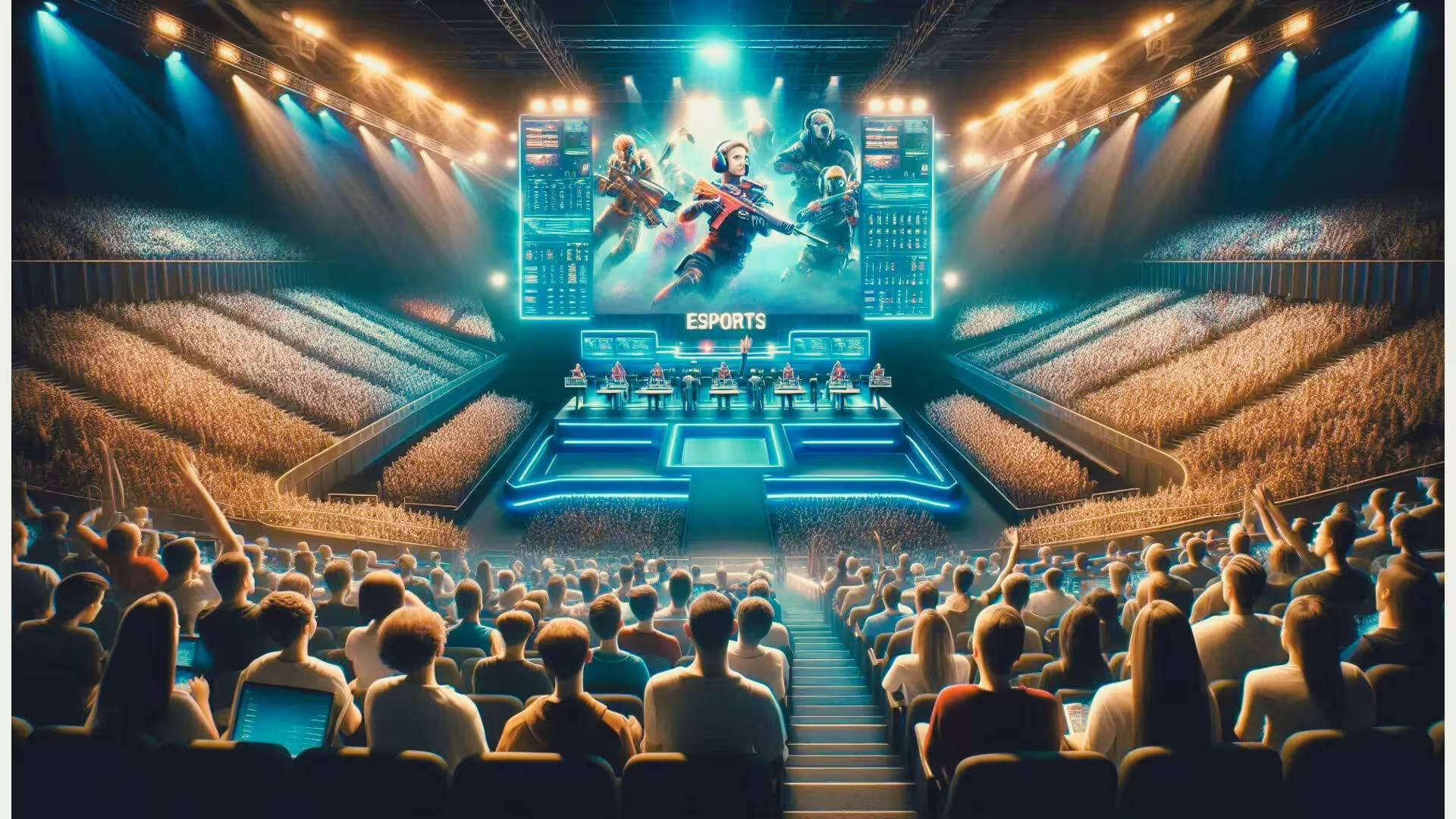
1. What Is E-Sports?
E-sports refers to organized, competitive video gaming where professional players or teams compete in tournaments. Popular games include:
- League of Legends – A strategy-based multiplayer game.
- Fortnite – Battle royale with massive tournaments.
- Dota 2 – Known for its huge prize pools and global events.
- Call of Duty – Competitive first-person shooter leagues.
E-sports leagues now resemble traditional sports, with structured seasons, coaching staff, and fan engagement.
2. Rapid Growth of the Industry
E-sports has seen tremendous growth over the past decade:
- Global Audience: Millions of viewers watch live streams and tournaments online.
- Revenue: Sponsorships, advertising, and media rights generate billions annually.
- Professional Careers: Players, coaches, analysts, and content creators have full-time careers in gaming.
This growth mirrors traditional sports in structure and fan engagement, making it a serious contender in the entertainment industry.
3. Technological Advancements Driving Popularity
Technology plays a key role in e-sports’ rise:
- Streaming Platforms: Twitch, YouTube Gaming, and other platforms allow fans to watch live matches.
- High-Speed Internet: Reliable connectivity ensures smooth online competition.
- Advanced Equipment: Professional-grade PCs, gaming consoles, and peripherals improve performance.
These tools make e-sports accessible worldwide and enhance the spectator experience.
4. Skill, Strategy, and Teamwork
E-sports requires more than fast reflexes:
- Strategy: Players plan in real-time to outmaneuver opponents.
- Teamwork: Communication and coordination are essential in team-based games.
- Mental Focus: Elite players train their minds to make quick, high-pressure decisions.
The skill set required is similar to traditional sports, proving that e-sports is competitive and mentally demanding.
5. Health and Training in E-Sports
Professional gamers treat their performance seriously:
- Physical Fitness: Exercises improve reflexes, endurance, and posture.
- Mental Training: Focus, stress management, and reaction time drills enhance performance.
- Nutrition and Sleep: Healthy habits are crucial to maintain consistency.
Just like athletes in physical sports, professional gamers maintain routines to optimize performance.
6. Challenges Facing E-Sports
Despite growth, e-sports faces challenges:
- Recognition: Not all countries or organizations recognize e-sports as a formal sport.
- Sponsorship Dependency: Revenue often relies heavily on sponsors and media deals.
- Health Risks: Long hours of gaming can lead to eye strain, posture issues, and repetitive stress injuries.
Addressing these challenges is key to sustaining long-term growth and legitimacy.
You Can Also Read: fitness-lessons-from-pros
7. Could E-Sports Be the Future of Competitive Sports?
Several trends suggest e-sports will continue growing:
- Youth Engagement: Younger generations are more engaged with gaming than traditional sports.
- Global Tournaments: Large-scale competitions now rival traditional sports in audience size.
- Cross-Industry Collaboration: Teams, media, and tech companies invest heavily in e-sports.
While e-sports may not replace traditional sports entirely, it’s clear that it will play a significant role in the future of competitive entertainment.
8. Learning From Experts
Understanding the strategies, growth trends, and management behind e-sports can help individuals and businesses explore opportunities. Platforms like nanouturf provide insights on structured systems, performance optimization, and emerging trends in competitive environments.
Conclusion
The rise of e-sports represents a major shift in how we view competitive sports. With millions of fans, professional athletes, and billion-dollar tournaments, it’s more than just gaming—it’s a global entertainment industry.
E-sports combines skill, strategy, teamwork, and mental focus, proving it deserves recognition alongside traditional sports. While challenges remain, the industry’s growth and popularity suggest it will continue shaping the future of competitive sports. For players, fans, and investors, e-sports offers exciting opportunities in a digital-first world.