Sports analytics is transforming the way athletes train, perform, and recover. Using data-driven insights, teams and players can make smarter decisions, improve skills, and prevent injuries. This approach combines technology, statistics, and real-world performance to optimize results on and off the field.
Here’s a simple guide on how sports analytics is changing player performance.
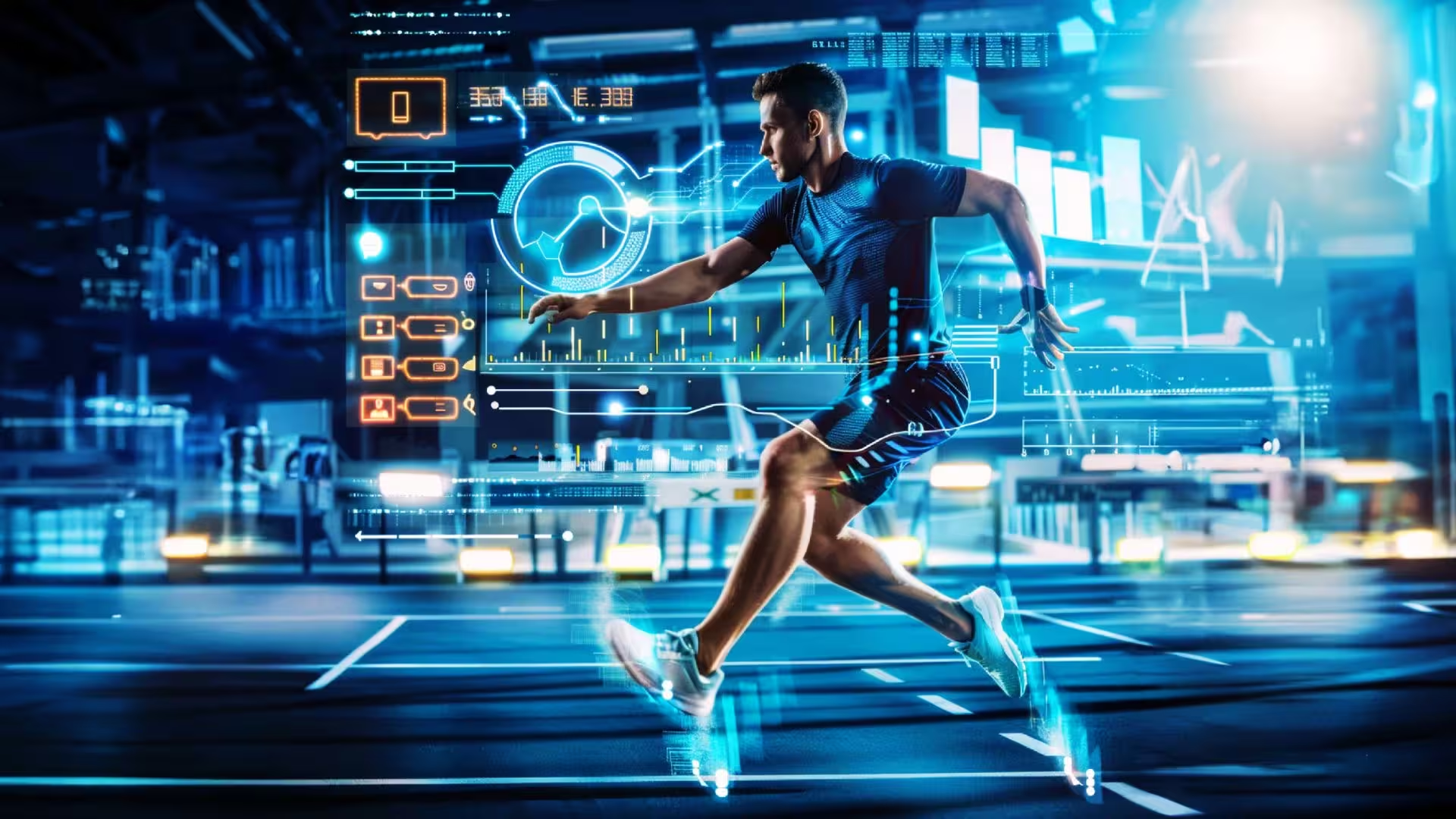
1. Understanding Sports Analytics
Sports analytics involves collecting and analyzing data to improve performance:
- Performance Metrics: Speed, agility, strength, and endurance are tracked using wearable devices or sensors.
- Game Data: Pass completion, shot accuracy, and positioning can be analyzed in real time.
- Injury Prevention: Data helps identify risks and adjust training to prevent injuries.
Analytics provides coaches and athletes with objective insights instead of relying solely on intuition.
2. Enhancing Training Programs
Data-driven training allows for personalized programs:
- Tailored Workouts: Athletes train based on strengths and weaknesses revealed by analytics.
- Performance Tracking: Progress is measured precisely, helping adjust routines effectively.
- Recovery Monitoring: Data helps determine when rest or rehabilitation is needed.
Personalized training improves results faster than generic programs and reduces the risk of overtraining.
3. Improving In-Game Decisions
Analytics helps players and coaches make smarter decisions during games:
- Tactical Adjustments: Teams can analyze opponents’ patterns to adjust strategies in real time.
- Player Positioning: Heat maps and movement tracking improve spatial awareness and positioning.
- Shot and Pass Decisions: Probability analysis guides players to make more effective choices.
This results in better performance and higher chances of winning.
4. Injury Prevention and Recovery
Injuries can be costly and career-altering. Analytics reduces risks:
- Load Monitoring: Track workload to avoid overuse injuries.
- Biomechanics Analysis: Detect inefficient movement patterns that may cause injuries.
- Recovery Optimization: Data informs rest periods and rehabilitation strategies.
Athletes can maintain peak performance longer with fewer injuries.
5. Nutrition and Fitness Insights
Sports analytics also influences nutrition and fitness plans:
- Calorie and Macro Tracking: Personalized diets optimize energy levels and recovery.
- Hydration Monitoring: Sensors track fluid levels to prevent fatigue.
- Fitness Adaptation: Training intensity is adjusted based on physiological data.
A holistic approach ensures that players perform at their best while maintaining health.
6. Scouting and Recruitment
Teams are using analytics to identify talent more effectively:
- Performance Metrics: Compare potential recruits based on objective data.
- Predictive Analysis: Forecast player development and fit within a team.
- Injury Risk Assessment: Avoid signing high-risk players.
Analytics ensures smarter investments in talent and long-term team success.
7. Learning From Experts
Understanding sports analytics and applying it correctly is key. Platforms like nanouturf provide insights on structured routines, performance tracking, and optimization strategies for athletes.
Conclusion
Sports analytics is revolutionizing player performance by providing precise, actionable data. From personalized training and nutrition plans to in-game decisions, injury prevention, and scouting, analytics allows athletes and teams to optimize results.
The use of technology and data-driven strategies ensures players reach their peak potential while minimizing risks. In the modern sports world, analytics is no longer optional—it’s essential for anyone who wants to compete at the highest level.