Streaming services like Netflix, Disney+, and Amazon Prime have changed how people watch movies and TV shows. However, many viewers are experiencing streaming fatigue—feeling overwhelmed by too many options or spending less time watching traditional content. The question is: are people truly watching less, or just consuming content differently?
Here’s a simple explanation of streaming fatigue, changing habits, and what it means for the entertainment industry.
1. What Is Streaming Fatigue?
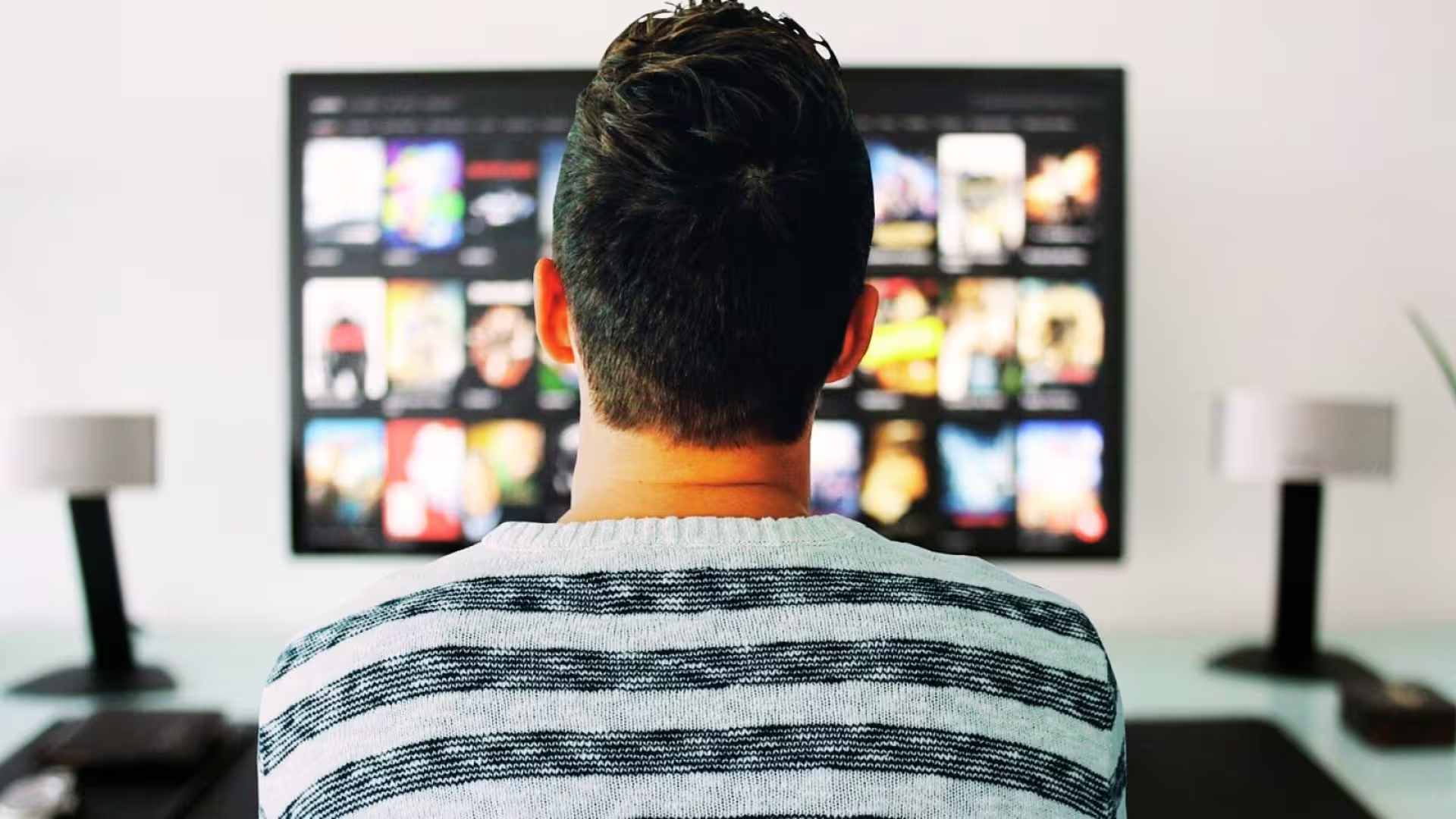
Streaming fatigue happens when viewers feel tired or stressed by the abundance of content available online. It can be caused by:
- Too many streaming subscriptions.
- Endless choices leading to decision fatigue.
- Pressure to keep up with trending shows or releases.
While fatigue may lead to reduced viewing time, it doesn’t mean people are abandoning streaming altogether—they’re often shifting how they watch.
2. Binge-Watching vs. Short-Form Content
In the past, binge-watching entire seasons was popular. Today, viewers are exploring new formats:
- Short-form content: Platforms like TikTok, Instagram Reels, and YouTube Shorts offer quick entertainment that fits into daily routines.
- Highlight clips or summaries: Viewers consume condensed versions of shows or news instead of full episodes.
- Selective bingeing: People watch fewer episodes but focus on shows they truly enjoy.
Shorter, more digestible content helps combat fatigue and keeps audiences engaged.
3. Subscription Overload
Many households subscribe to multiple streaming services. Managing different logins, schedules, and recommendations can feel overwhelming:
- Some users cancel subscriptions to reduce stress.
- Others rotate between platforms to access desired content without paying for everything.
- Bundled packages or ad-supported models are becoming popular alternatives.
Subscription overload is a major factor behind the perception of “watching less.”
4. Changing Viewing Habits
Even with fatigue, people are still consuming content—they just do it differently:
- Mobile viewing: More people watch on phones or tablets rather than TVs.
- On-demand scheduling: Viewers choose what to watch and when, instead of following live TV.
- Social viewing: People discuss shows on social media, watch clips, or follow reactions instead of full episodes.
This shift reflects a move from quantity to convenience and engagement.
5. Impact on Traditional Streaming Services
Streaming fatigue affects platforms in various ways:
- Algorithms prioritize shorter, high-engagement content to retain users.
- Platforms invest in original content that grabs attention quickly.
- User interfaces are redesigned to make discovery simpler and reduce overwhelm.
These changes show that services are adapting to evolving viewing habits rather than losing their audience.
6. Content Discovery Challenges
Too many choices can make it hard for viewers to decide what to watch, contributing to fatigue:
- Algorithms sometimes overwhelm users with recommendations.
- Older or niche content may be ignored.
- Viewers may feel anxious about missing trending shows.
Simplifying discovery, offering curated lists, or integrating social recommendations helps reduce fatigue.
You Can Also Read: short-form-content
7. Balance Between Streaming and Life
People are also balancing screen time with daily life:
- Watching less TV to focus on work, family, or hobbies.
- Using streaming as background entertainment rather than main activity.
- Taking breaks from multiple platforms to reduce stress.
Streaming fatigue isn’t necessarily a decline in interest—it’s part of managing time and attention in a busy digital world.
8. Learning From Experts
Understanding audience behavior can help creators and platforms adapt. Experts and platforms like nanouturf provide insights on structured content delivery, engagement strategies, and workflow optimization that can be applied to digital media.
Conclusion
Streaming fatigue reflects a shift in how people consume digital entertainment rather than a simple decline in viewing. Audiences are choosing shorter content, selective binge-watching, mobile viewing, and curated experiences to manage overload.
For platforms and creators, adapting to these changing habits—through shorter formats, simplified discovery, and engagement-driven content—is essential. While viewers may feel fatigued, they are still watching—they’re just doing it differently.